Why ceramics?
What are ceramics?
Ceramics have no single definition; they can only be described in several ways. But we believe the most fitting word for ceramics is cleanliness, and cleanliness is the very essence of healthy living. For this and countless other reasons, ceramics are an important part of our lives that we cannot do without.
In its simplest definition, ceramic means “earth fired at a very high temperature”. The history of ceramics is as old as the history of civilisation. The first ceramics are known to have been produced in Anatolia in 6000 BC. Ceramic fragments recovered in the excavations at Çatalhöyük have survived intact to the present day over the 8,000 years since.
Today, ceramic finds are also the most important source of information on human history for archaeologists. Thanks to the writing, pictures and symbols on ceramics that have survived intact for thousands of centuries, it is possible to learn about the lifestyles and cultures of past civilisations.
Today, ceramics are an important decorative product used to cover the floors and the interior and exterior surfaces of buildings. They are made by mixing clay, kaolin, quartz and feldspar obtained from nature in specific proportions. These materials are made into a body, pressed and fired at high temperatures above 1,100 degrees. The face of a ceramic tile is usually covered with a protective layer called glaze.
Ceramics are healthy because they are made from materials obtained from nature by natural means. Ceramics are an ecological product.
Ceramics are healthy
- They do not hold dirt, stains or rust.
- They do not raise dust or give off moisture.
- Germs and insects cannot live or breed on their smooth, glossy surface.
- Unpleasant and harmful odours in the room (cigarette smoke, soot, cooking) do not cling to them.
- Due to their natural composition, they do not release harmful chemicals into the environment.
- They have no adverse effect on the health of babies and children.
- They do not invite asthma, bronchitis or allergic diseases.
- They preserve the natural humidity of the room and do not cause dry skin.
- They are easily cleaned with simple everyday detergents and have a long service life.
Ceramics are durable
- Even the strongest detergents do not wear ceramics away.
- They are resistant to acids and alkalis spilled in household accidents.
- They do not rot or break down into their components.
- When properly laid, they last as long as the building itself (40 years).
- They do not fade or lose colour in sunlight.
- They do not crack in the cold or expand in high heat; they are hard to scratch and wear less.
- They are not affected by prolonged contact with chemicals.
- They are resistant to abrasion.
- They are extremely resistant to heavy loads.
Ceramics are economical
- Ceramics are the longest-lasting covering material.
- They require no special maintenance and last a lifetime.
- They do not ignite or burn, and they prevent fire from spreading.
- They do not need complete renewal; a broken tile can simply be replaced.
- They offer decorative options, saving on decoration costs.
- In terms of total cost, they are the most economical option in the long run.
- Cleaning and maintenance costs are very low, and no special cleaning products are needed.
- Ceramics reduce heating costs.
Ceramics are aesthetic
- They suit every kind of setting, structure and texture.
- They can be produced in every colour and shade, from striking to pastel.
- Pictures, patterns and photographs can be printed on them.
- Their wide range of shapes and sizes inspires creativity in decoration.
- The way they refract and reflect light is soothing.
- They give a well-kept appearance to a space.
- Even the laying pattern alone can set a space apart from others.
- They encourage a taste for quality living and raise the quality of life.
- They add prestige to a space.
Ceramics are ecological
- Their raw material is nature itself. They are made by pressing and firing natural minerals. They do not release chemical waste into the environment.
- They are a recyclable material. Recycling in nature causes no loss of material.
- Clean energy (electricity) is used in production, so no harmful gases are released into the atmosphere.
Ceramics offer endless options
- Ceramics suit every lifestyle and every taste.
- Ceramics can be produced in every colour found in nature.
- Any kind of pattern can be applied to ceramics.
- Self-patterned ceramics allow creativity in decoration.
- Besides squares and rectangles, they also come in hexagonal, octagonal and other shapes.
Ceramics are functional
- Ceramics are not just a covering material.
- When used on external façades, they perform better than paint and plaster.
- They are also used as a decorative element in interior design.
- Heat loss is low in spaces covered with ceramics.
- Ceramics reduce the effect of noise.
Ceramics prevent risks
- Because ceramics are made from materials fired at 1,100 degrees or higher, they do not burn or ignite. Ceramic-covered floors and walls prevent the spread of fires caused by carelessness or accidents.
- Unlike other covering materials, ceramics do not build up static electricity. Static electricity that accumulates in people and animals is absorbed by ceramics. Static electricity is a factor that causes stress in people and animals. Ceramics take away this source of stress and provide relief.
- They help prevent the risk of household infections. The surface of ceramics is smooth and therefore easy to clean. Dust and particles harmful to the respiratory tract do not accumulate in ceramic-covered spaces.
- They help prevent heat loss. They provide significant savings in heating. As the temperature rises in an enclosed space, they absorb and store heat, then release it again when the indoor temperature falls.
Source: “The ABC of ceramics”, Ceramics Federation
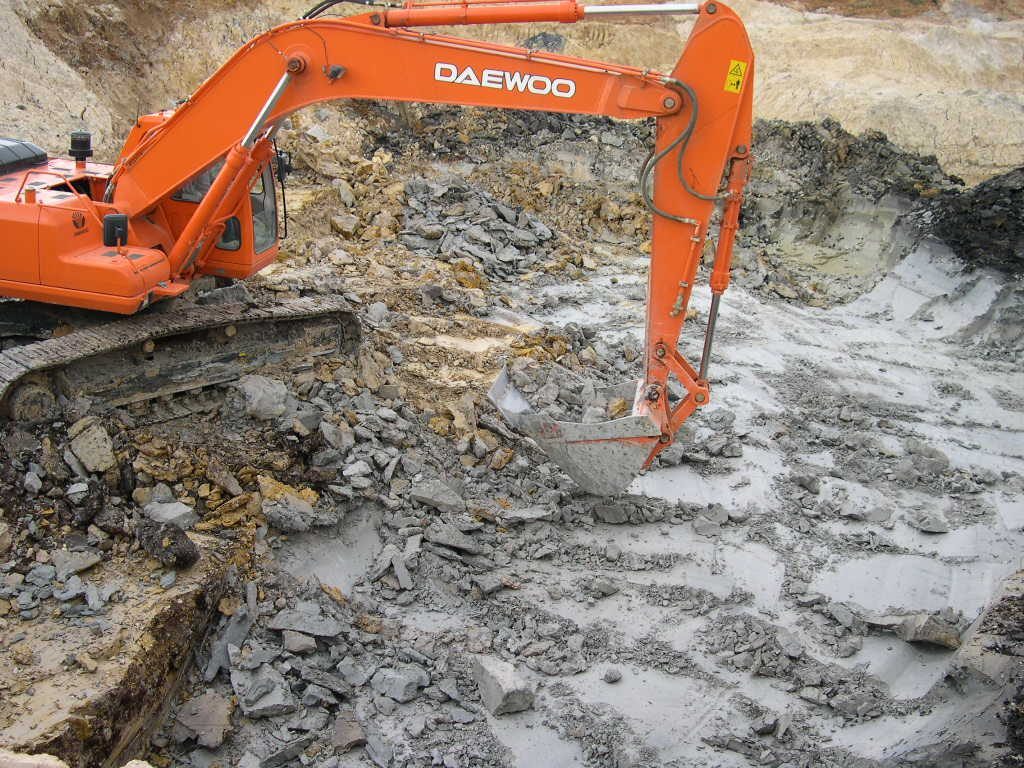
Let's choose the right raw material for your project together
Tell us the product and quantity you need, and we will get back to you with analysis values and delivery terms.