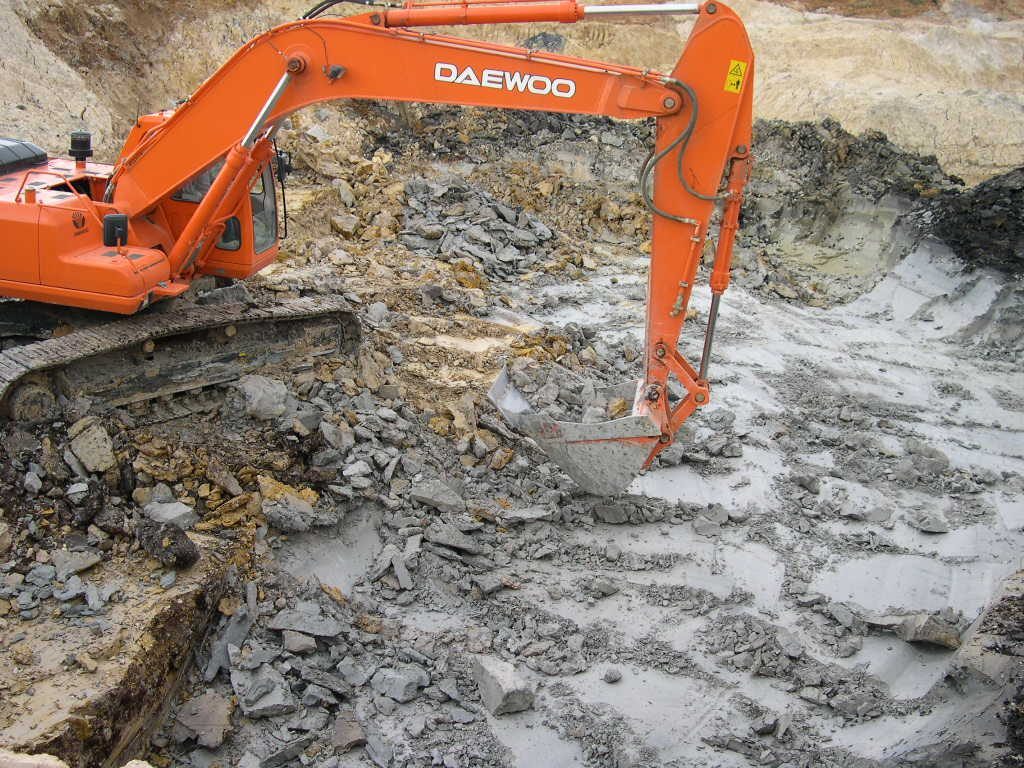

With its high silicon dioxide content, transparency and chemical stability, an essential raw material for many industries, from glass to foundry.
Silica sand is an important natural resource used across a wide range of industrial applications in particular. With its high silicon dioxide (SiO2) content, silica sand is an essential raw material for many industries and stands out for its transparency, chemical stability and physical resistance. In addition, the low levels of other elements such as iron, aluminium and titanium oxides enhance its purity and its performance in processed products.
Key features
-
High SiO2 content
It contains over 90% silicon dioxide, which makes it ideal for glass production in particular.
-
Low impurities
The proportions of other oxides are very low, making silica sand a high-purity raw material.
-
Heat resistance
Its high melting point makes it suitable for use at high temperatures.
-
Chemical stability
Being chemically inert, silica sand does not react in acidic or alkaline environments.
-
Physical durability
It can be used as an abrasive and shows high wear resistance in various industrial processes.
-
Flexible applications
It has a very wide range of uses, from glass production and foundry moulds to hydraulic fracturing and water filters.
Frequently asked questions
What is silica sand used for?
Thanks to its high silicon dioxide content, silica sand is used above all in glass production, as well as in foundry, construction, hydraulic fracturing and water treatment. It is also used as a filler in sports pitch surfaces and in the production of some paints.
Is silica sand harmful to health?
When silica sand becomes a fine dust, inhaled particles can cause health problems such as silicosis. It is therefore important to take appropriate safety precautions when working with silica sand and to apply the necessary measures to avoid inhaling the dust.
Why is silica sand so important in glassmaking?
Silica sand is the main raw material of glass, and its high silicon dioxide content gives glass its transparency, hardness and chemical resistance. During glassmaking, it melts at high temperatures to form a homogeneous mixture that creates the structure of the glass.