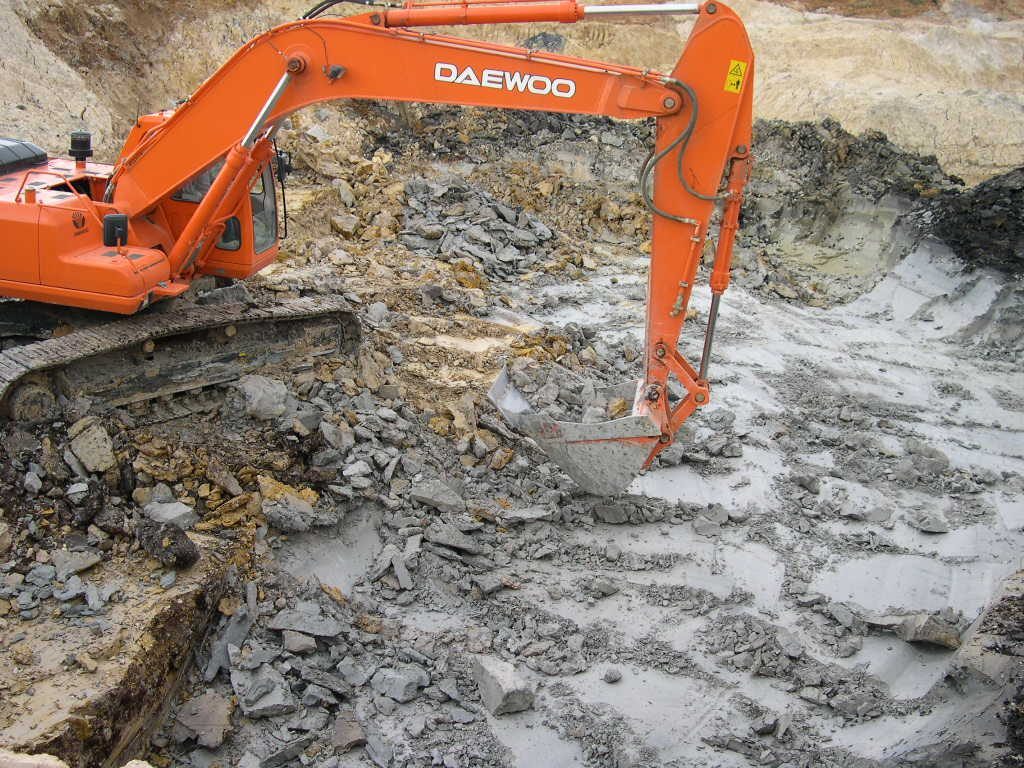

Kaolin is recognised worldwide as a valuable mineral in various industries thanks to its versatile properties. This white clay, which belongs to the kaolinite group, is naturally of high purity and fine-grained.
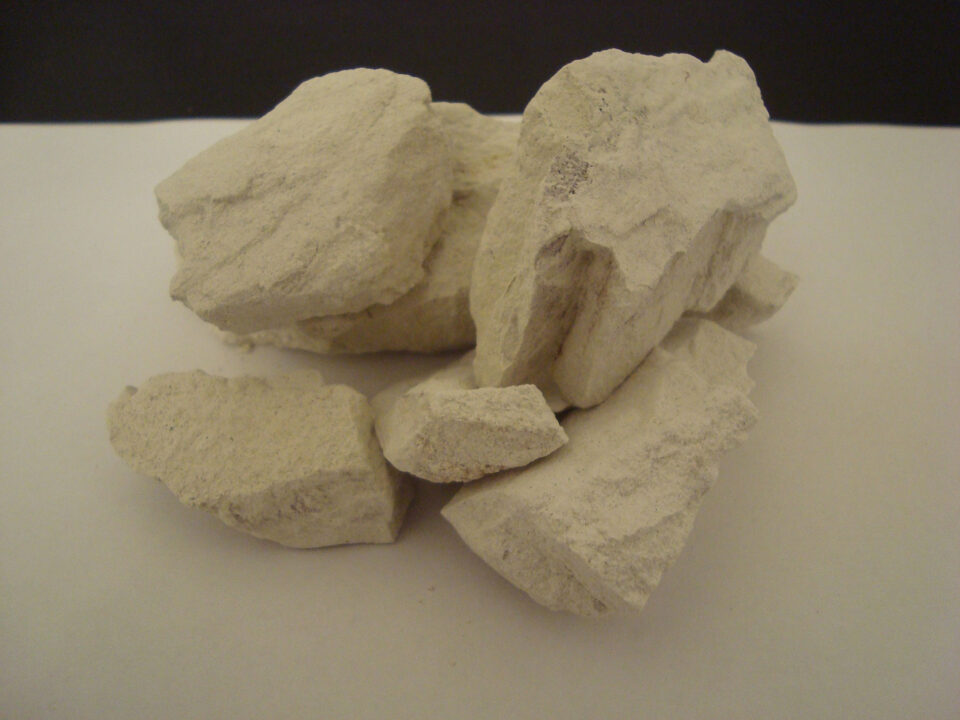
Kaolin is recognised worldwide as a valuable mineral in various industries thanks to its versatile properties. This white clay, which belongs to the kaolinite group, is naturally of high purity and fine-grained, making it ideal for many applications.
The applications of kaolin are directly related to its rich properties. Its low iron and titanium oxide content is one of the main reasons it is preferred in ceramic products. This purity provides the high whiteness and translucency required in ceramics, giving excellent results in products such as porcelain and fine tiles. In addition, kaolin retains its chemical structure even when exposed to high temperatures, so it also plays an important role in the production of refractory materials.
In the paper industry, kaolin gives paper a smooth surface and improved printing properties. When used as a filler and coating agent in papermaking, it increases the opacity of the paper and strengthens its structural integrity. These properties make the paper both more durable and of higher quality.
In the paint sector, kaolin increases the hiding power of paint through the whiteness and matt finish it provides, while in cosmetics it is preferred as a natural face mask and powder ingredient because of its soothing effect on the skin. The fine and gentle texture of kaolin makes it suitable for use on the skin, providing cleansing and detoxification without causing harm.
In environmental technologies, kaolin is used to clean water and soil by absorbing harmful substances. In agriculture, it forms a physical barrier to protect plants from harmful insects.
In addition, according to analysis results, the mineralogical composition and purity of kaolin are important for confirming the mineral's suitability for specific applications. These analyses reveal the percentages of the elements kaolin contains and any additives, giving users an idea of how best to use it. For this reason, before buying kaolin, especially if it will be used in areas such as ceramics, paper, paint or cosmetics, it is very important to review detailed analysis results. This helps you choose kaolin with the right quality and properties and maximise the quality of your end products.
Key features
-
High degree of purity
Kaolin is a high-purity material sought after in ceramic and paper production.
-
Low abrasiveness
With its fine texture, it is used as a gentle abrasive in skin care products.
-
Natural whiteness
It provides whiteness and opacity in paint and cosmetic products.
-
Chemical inertness
It does not react in various industrial processes, which makes it a multifunctional filler.
-
Heat resistance
It withstands high temperatures, which makes it ideal for refractory and ceramic production.
-
Plasticity
It can be shaped when mixed with water, which is why it is preferred in ceramics and sculpture.
Frequently asked questions
What is kaolin and why is it so popular?
Kaolin is a high-purity, white type of clay. Because of the kaolinite mineral in its structure, it is a popular choice in the ceramics, paper, paint and cosmetics industries. Its low iron content, heat resistance and good plasticity make it suitable for a wide variety of applications.
What is the role of kaolin in ceramic production?
In ceramic production, kaolin is a basic raw material because of its high heat resistance and excellent forming properties. Thanks to its white colour and high purity, it is ideal for the production of porcelain and fine ceramics. In addition, the plastic nature of kaolin allows the ceramic body to be shaped easily.
How should products made with kaolin be cared for?
Ceramic products containing kaolin generally have low porosity and high durability, so simple cleaning methods are sufficient. Water and a mild detergent can be used, and non-abrasive cleaners should be preferred. Skin care products containing kaolin should be removed by rinsing the skin thoroughly after use.